She walks into our first call with a story that could stop traffic.
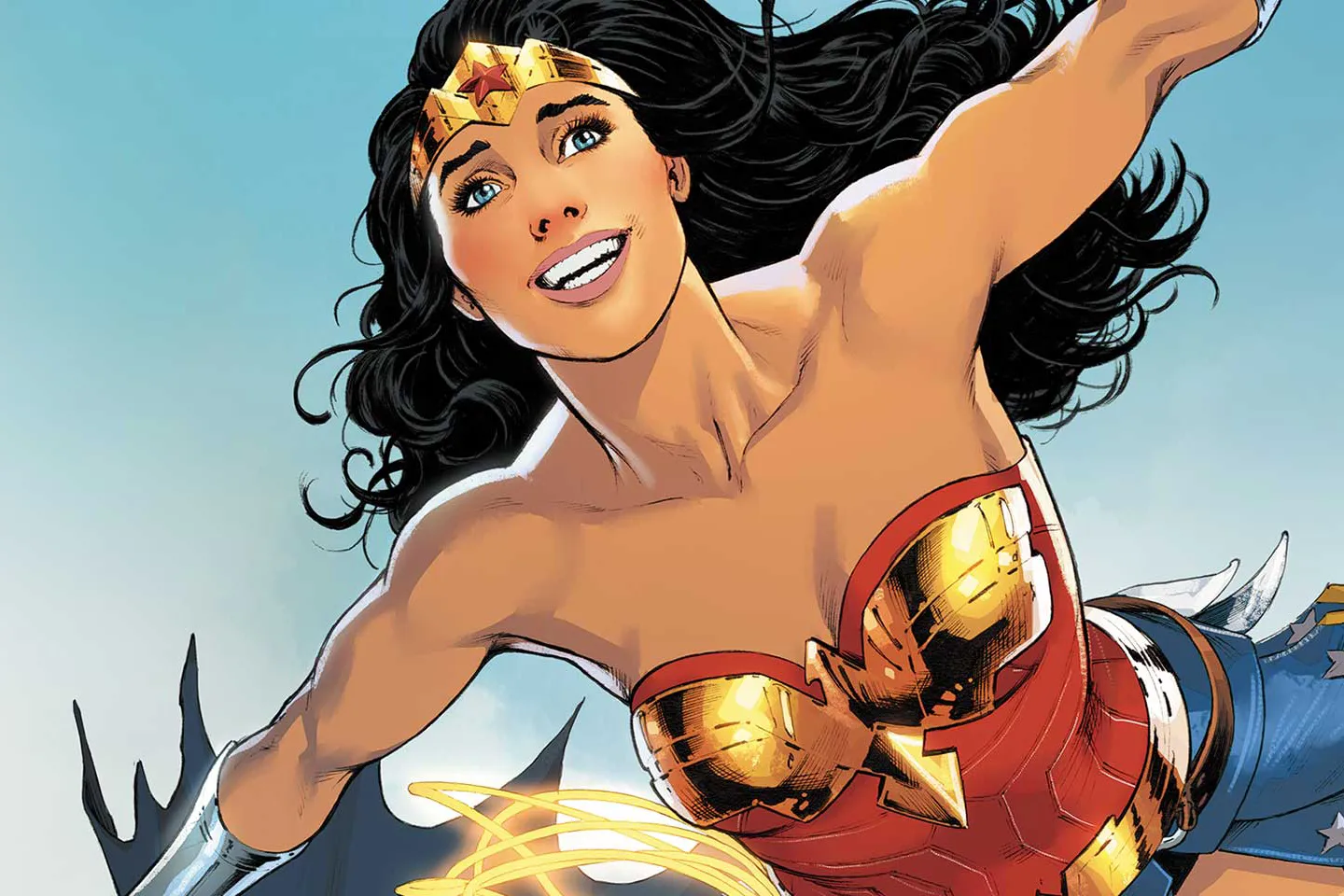
I’m not going to share the details here because they’re hers, but trust me when I say she’s lived something that most people only read about — and survived it, came out looking like Wonder Woman after a blowout. Heroic stuff. She’s built a business around that survival. Products people love. A following that’s growing. Clients who swear by her work.
She’s also got a book she needs to write.
The problem? She can’t tell me what it’s about.
Not because she doesn’t know her work. She knows it cold. The problem is that her work produces a sprawl of outcomes that are all genuinely, legitimately true. Beauty. Relief from chronic illness. Mental clarity. Physical wellness. Longevity. Weight loss. (My gawd, I want to know how to look that fresh and young!) She’s not exaggerating any of them. Her methodology delivers all of it.
And in the book world, that’s a problem.
Here’s the unfortunate truth I had to deliver: you’re writing one book, not a catalog. You get one main course. Everything else — be it the beauty, the mental clarity, the side benefits your reader absolutely gets and will love — those become the side salads. Fabulous side salads, for sure. But side salads.
Choosing that main course? That’s where we’ve been living for weeks now. And it’s a bear.
I was sitting in a marketing conference led by Jeff Walker — the launch strategist whose frameworks have influenced pretty much every “how to sell online” conversation of the last decade — when he said something that stopped me mid-note.
He talked about how marketers and creators tend to begin their work in the unknowns. All that murky, uncomfortable territory where you don’t yet have the clarity you need. At some point, you arrive at what he called the door of confusion. And that door, he said, is the thing that splits people into two camps. Those who turn around and go back to the unknowns. And those who push through.
You can’t reach the knowns — the clear message, the named framework, the outcome that becomes your book’s North Star — without passing through it. There’s no shortcut. No tunnel around it.
I thought about my client the whole time he was talking.
Here’s what I’ve noticed in my years of doing this work: the door of confusion is less of a door and more of a hall. You don’t push through it in a moment. You wander it for a while. You hit dead ends. You backtrack. You start to wonder if the hallway is all there is. You stress eat. (Wait! Maybe that’s just me.)
And when people hit that hall, I get to watch their primary stress response up close.
Some clients freeze. They go quiet, stop responding to emails, come to sessions unprepared. Some fight — they push back on the process, argue with me about whether the framework really matters, insist that their audience is different. And some flee. They decide the whole thing is simply too hard and walk.
My client? She’s a fighter. (See: survived things that would level most people so, not a surprise.) I appreciate that about her enormously. But I’m also watching her closely, because fighters sometimes fight their way out of the very process that would save them. I’m a little concerned she’ll decide that building clarity around her methodology is more trouble than it’s worth — that she’s gotten this far on her magnetic personality and her products, so maybe she doesn’t need the book to do the heavy lifting.
And here’s the thing: she’s not entirely wrong. She has gotten far without it. She’s appealing. Her work is real. Her results are real.
But a book without a clear named framework, without a single sharp outcome promise, without a reader who can look at the cover and think that’s for me — that book doesn’t do what a book can do. It doesn’t become an asset. It becomes a very expensive memoir with a confused table of contents.
So I hold the line.
Not because I enjoy watching her squirm (I don’t), but because it’s my job to see the thing she can’t see yet — which is that she’s not actually that far from the door swinging open. We’re working. We’re experimenting. We’re trying on outcomes like prom dresses and holding them up to the light.
At some point, the scales fall. They always do.
My job is to hold steady until they do.
So what would you do? If you were the coach and your client was frustrated, spinning, close to bolting — would you let her have the sprawl, the jumbled outcomes, the inspiring-but-unfocused book she thinks she wants?
Or would you hold her feet to the fire?
I know what I’d tell you. But I’m curious what you think.