Have you put your book dream on the back burner because you can already think of ten reasons it won’t work?
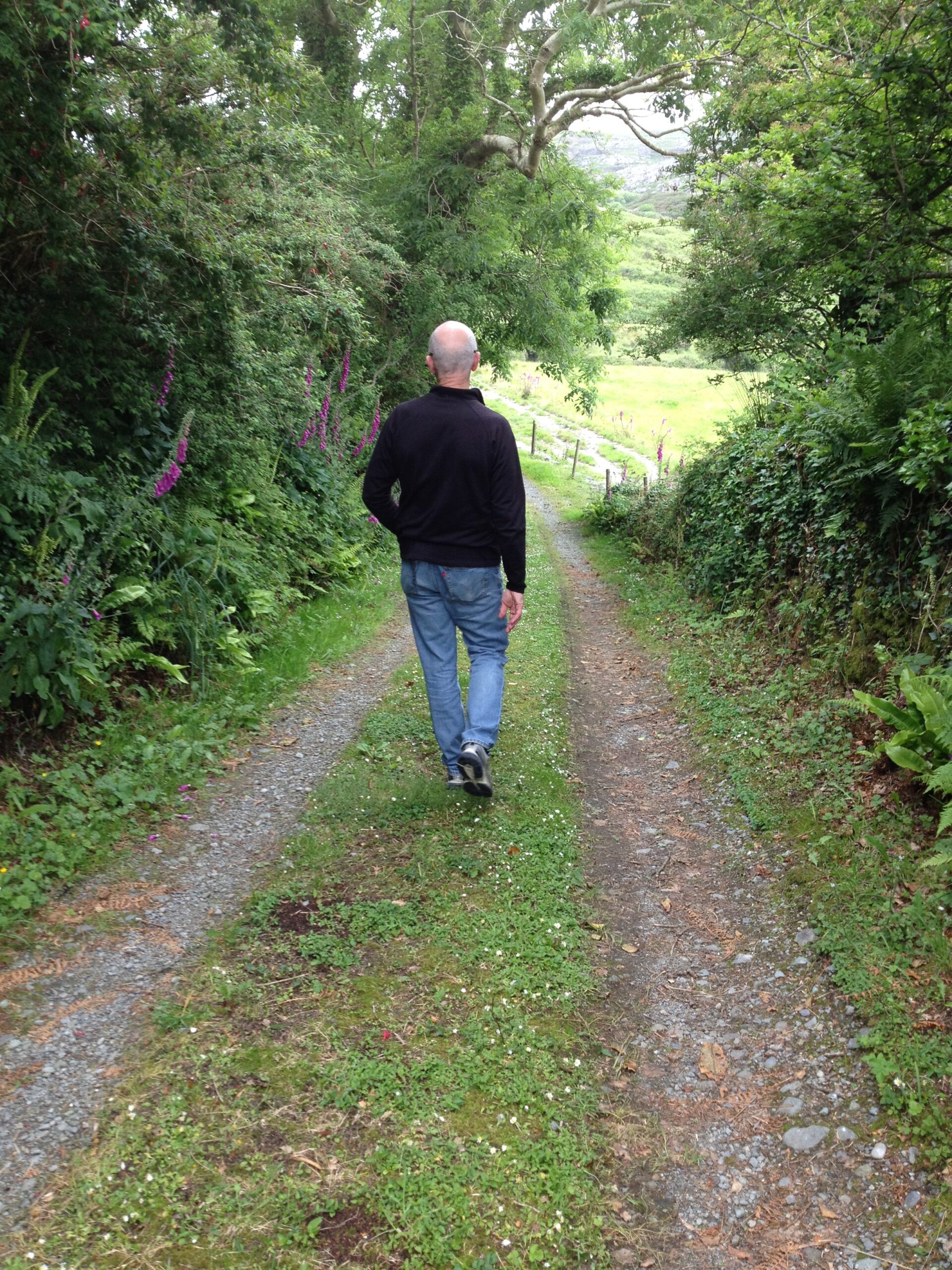
I was watching a fox and her two kits bound across the field one morning as Walt and I drank our first cup of coffee. In the upper pasture, a herd of dairy cows had formed a battle line, like a division of black and white soldiers, waiting for Ben — our neighbor’s border collie — to march them toward their morning milking. Just beyond, a five-minute walk down the gravel road, the North Atlantic crashed against the cliffs of Low and High Islands.
Joy. Peace. My personal brand of heaven.
I used to believe setups like this landed in the laps of the rich, or those lucky ducks who win the lottery. No effort necessary. One day they meander onto the scene and — WaBam! — life is exactly as they want it. It never occurred to me that I could possess such a place. And even if I’d thought it possible, I wouldn’t have had a clue where to begin.
Those of us raised in alcoholic households tend to scratch our heads at the concept of “process.” We don’t get that something worth having usually takes effort, time, and perseverance. That there are lots and lots of little steps, obstacles galore, and moments when you’re convinced your efforts were for nothing. Most of us throw our hands in the air when we hit the first problem. Because we were trained to believe we can’t affect outcome.
We were taught to accept what we got without complaint. To ignore problems. To hunker down until the storm passed. To hit resistance and immediately fold — if we knew what was good for us.
No one in my household troubleshot solutions. No one reached for more. Dreamed big. Picture perfect was the fodder of Hollywood and TV.
A blue-blooded friend set me straight on the WaBam! theory years ago. We were standing in his garden when I rhapsodized over his gorgeous flower beds. I’d assumed he had people making things nice for him behind the scenes. “You know these flowers didn’t spring up on their own,” he said. “You have to research the conditions, buy the seeds, excavate the area, weed, water daily, and hire someone when you go away. Don’t think for a minute I tripped over this. This here,” he said, spreading his hand over the asters and mums, “represents hard work.”
Buying our cottage in Ireland was something of a process.
Like his garden, it involved researching, seeding, excavating, weeding, watering, and hiring help. We analyzed the local real estate market for years, searched for the right spot, did our due diligence. The first deal fell through. Then the Euro soared, making the purchase prohibitively expensive. We ran into problems with the moving company, the internet hookup, the well, the electrical system, the zoning laws. We got absolutely hammered by the exchange rate. Took a loss on the sale of some assets. Had to figure out where to buy a farm gate.
All so we could sit on the couch on mornings like that one, watching the foxen.
Every obstacle was worth it.
Now. Your book.
I can’t tell you how many writers I’ve worked with who are sitting on a powerful idea — a book that could change their business, establish them as the authority in their field, build something lasting — and they won’t start because they can already predict the problems.
I don’t know how to write a book.
I don’t have time.
Nobody wants to read what I have to say.
I’m not a “real” writer.
These aren’t reasons. They’re the sound of someone who doesn’t yet understand what a process is. Because writing a book is one of the most process-dependent things you’ll ever undertake. And the writers who finish are not more talented than the ones who don’t. They’re just more willing to take the next small step, even when they don’t know how the whole thing is going to work out.
That’s it. That’s the whole secret.
Here’s what the process actually looks like:
Envision what you want. Not just “write a book” — get specific. What’s the book about? Who’s it for? What do you want it to do for your business?
Make a decision and take the first action. Any action. Talk to someone. Buy a book on book structure. Outline a single chapter. The ball won’t roll until you push it.
Plant seeds. Reach out. Ask questions. Hire help. The more action you take, the more momentum you create.
Stay at it. Rain or shine. Because tenacity is what separates the writers with finished manuscripts from the ones still talking about the book they’re going to write someday.
You already know what you want to say. You’re just waiting for the process to feel safer before you begin.
It won’t. Start anyway.
P.S. If you’ve got a book idea but no idea where to start, that’s exactly what my Hour of Power consultation is for. An hour to get clear on your book’s premise, structure, and next steps — and you’ll leave knowing precisely what to do first. Hit reply if you want to set one up.